Steve's Blog

Nexus 5 wireless charging

Recently I upgraded from my aging Samsung Galaxy S2 to a Google Nexus 5. Its a massive leap forwards in technology - and a very impressive upgrade. One of the biggest things I wanted to play with was wireless charging.

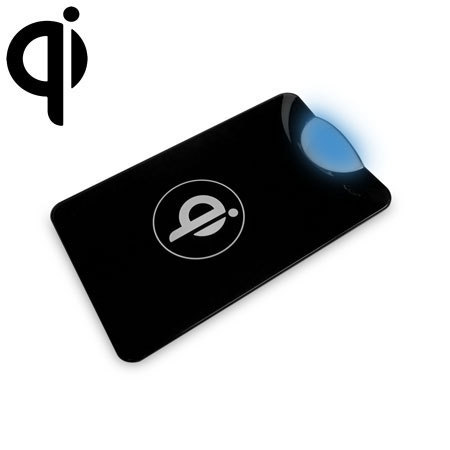
I found this Qi Universal Wireless Charger from the range at MobileZap.

The Nexus 5 uses the Qi wireless charging standard which uses unidirectional communication using backscatter modulation to talk to the charger at 2kbps. The charging ‘transmitter’ uses RF at 110kHz–205kHz and received by the Nexus 5 and turned into a suitable voltage to charge the battery.

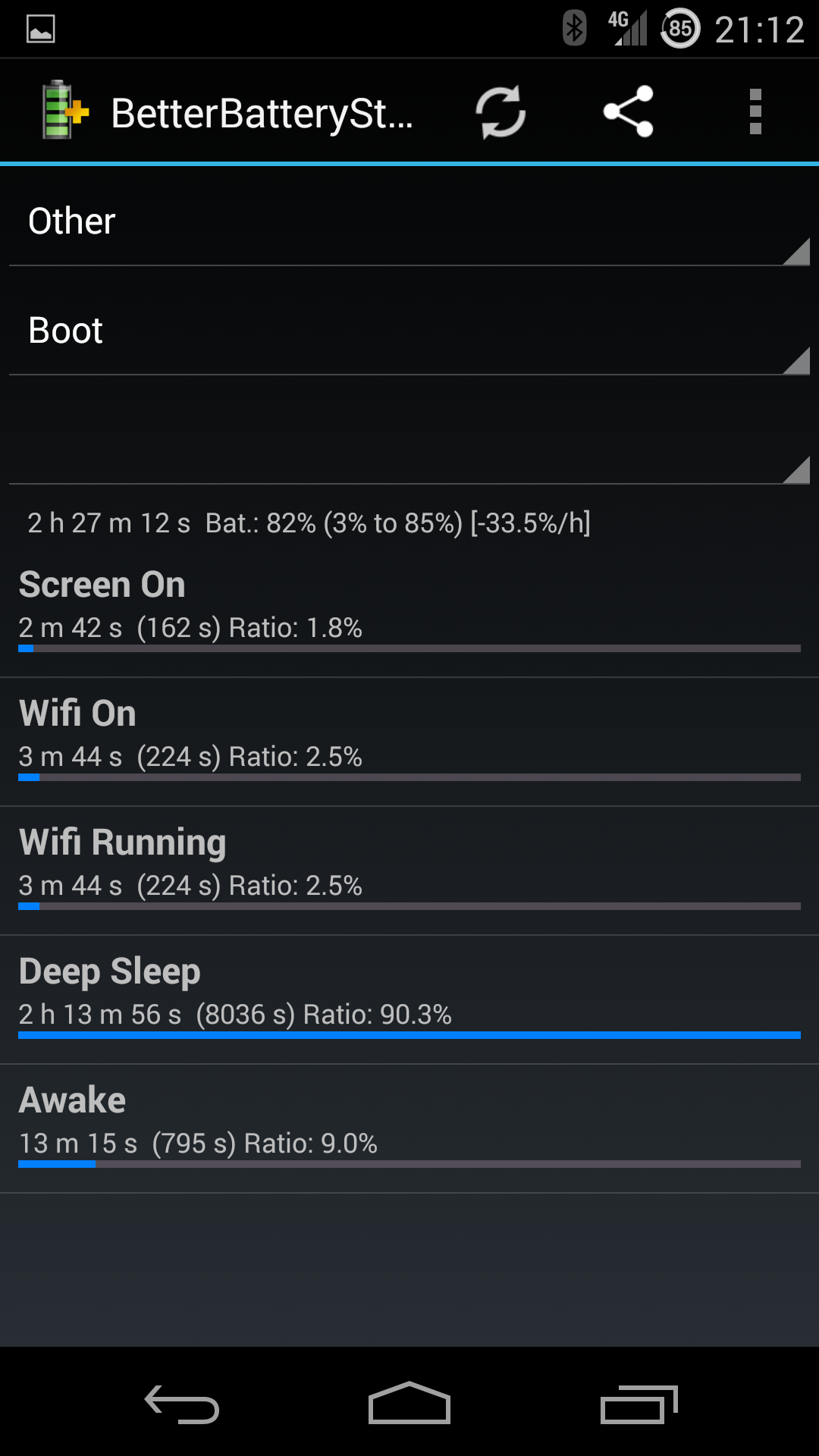
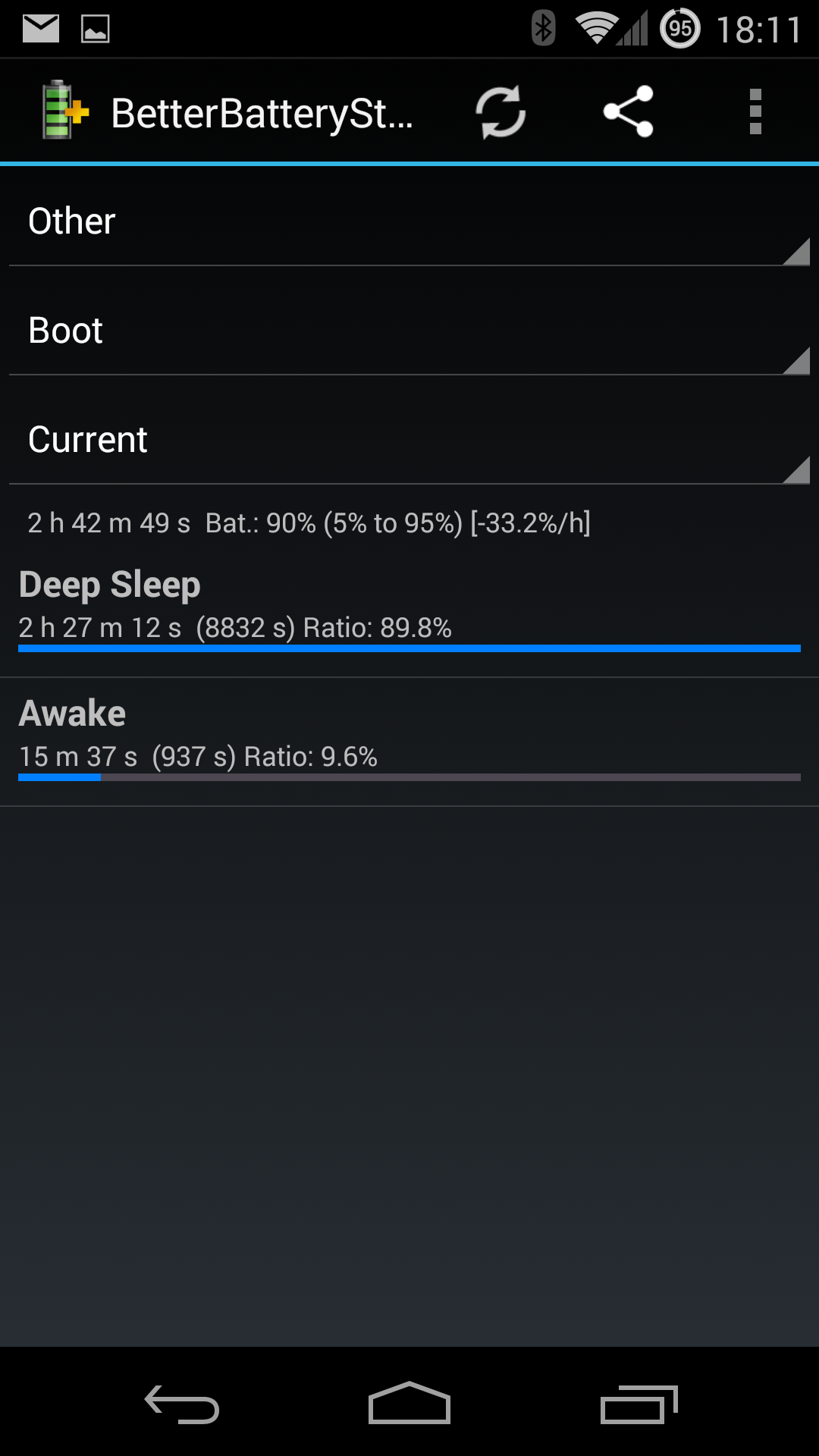
Initial testing seems to show that both the wireless Qi charger and the wired micro USB charger BOTH charge at around the same rate (averaged over several tests at around 34% per hour).

As far as the actual charger goes - apart from having a UK power supply (19v 1A), the only thing I would improve on this charger is getting the blue LED that indicates that there is a device charging would turn off when the device was fully charged. The Qi charging spec supports this, but it doesn’t seem to be implemented in the charging plate.

I really am impressed with wireless charging. I always thought it would be a fad - however the amount of wear this saves the micro-usb port in devices fitted with wireless charging could almost pay for itself over the life of a device - its much cheaper to use a wireless charger than to get a USB port replaced on any kind of device!
Infinite Jukebox? Wow. Just wow.

Every now and again you come across something special on the net. Something that you are just in awe over. The is one of those things. The Music Hack Day at MIT spawned this creation - and it is certainly worth the reputation surrounding MIT and cool projects.

What does it do? The FAQ states it best:

For when your favorite song just isn't long enough. This web app lets you upload a favorite MP3 and will then generate a never-ending and ever changing version of the song. It does what Infinite Gangnam Style did but for any song.

How does it work?

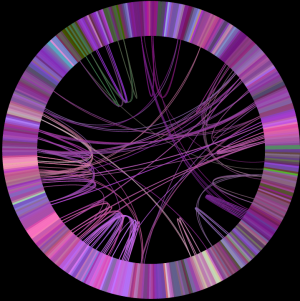
We use the Echo Nest analyzer to break the song into beats. We play the song beat by beat, but at every beat there's a chance that we will jump to a different part of song that happens to sound very similar to the current beat. For beat similarity we look at pitch, timbre, loudness, duration and the position of the beat within a bar. There's a nifty visualization that shows all the possible transitions that can occur at any beat.

What you end up with, is this:

The Most Played Songs is a fairly wide selection of music that showcases how good this code has been developed. If you don’t watch the visualiser, you wouldn’t notice the majority of the jumps around.

I am VERY impressed. Great work by all involved in the project.

I know where you've been

I’ve been meaning to write an article on methods of tracking people in public spaces using every day devices. I finally got around to writing a blurb on how easy it is to track peoples whereabouts using wifi and bluetooth - even if you never connect to a network.

So here it is: Tracking people via WiFi

The same techniques are already in use in many places - and target bluetooth as well as WiFi. Comments are welcome on the article.

Fixed OpenWRT images for WD N600 & N750

I noticed recently that images I’d generated for the WD N600 / N750 weren’t booting properly. It seems from r39891 built on the 13th March that something changed causing the image to never actually work on the router after being flashed.

I spent a bit of time yesterday debugging this and now as of r40004 things are back in order and working correctly.

Sorry if this caught anyone out!